 For individuals with autism, intellectual and developmental disabilities (IDD), and complex mental health conditions, navigating a health care system can sometimes be challenging. Health care environments, communication styles, and traditional approaches to care may not always meet the unique needs of these individuals or their families.
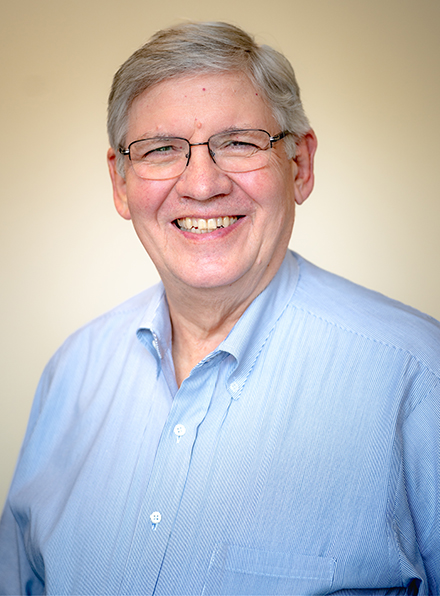
That is why an integrated, personalized approach to health care is so important. “Health care should meet people where they are, not expect every person to fit into the same model of care,” says Stephen Kolesk, MD, Woods Integrated Healthcare Chief of Family Medicine at Woods Primary and Behavioral Health Center at Hamilton, a collaboration between RWJBarnabas Health and Woods Services, with a center located at Robert Wood Johnson University Hospital Hamilton, an RWJBarnabas Health facility.
Why is specialized primary and behavioral health care important for individuals with autism, IDD, and complex mental health conditions?
Everyone deserves access to health care that understands their individual needs and accessing routine medical and behavioral health care can sometimes present additional challenges. Dr. Kolesk shares, “Specialized integrated care can be so important. A primary and behavioral health center designed to serve individuals with these needs can provide more coordinated approach, one that looks at the whole person rather than treating health concerns in isolation.”
What does integrated care mean for patients and families?
Integrated care means bringing primary care and behavioral health services together to support both physical and emotional wellbeing. A person may need preventative care, treatment for chronic medical condition, medication management, behavioral health support, or assistance addressing change4s in mood or behavior. Having providers who understand how these needs can intersect allows for comprehensive care. “For individuals with autism or IDD, a change in behavior may sometimes be an indication of an underlying medical, emotional or environment concern,” adds Dr. Kolesk. “Taking time to understand what mya be contributing to that change is an important part of providing appropriate care.”
How can families help make health care more successful?
Families and caregivers are valuable members of the care team. They can help providers understand how a person communicates, what approaches work best, what may cause anxiety or sensory discomfort, and what changes they have observed.
At the same time, it is important to involve the individual in decisions about their care to the greatest extent possible. Communication should be adapted to the person’s needs, preferences, and abilities, with an emphasis on dignity, respect and choice.
How do you approach communication with patients who have limited verbal abilities?
“One of the most profound things I have heard from a patient was simply them sharing I want someone to talk to me. It is important to tell patients what is going to happen—even if they cannot verbally respond. I get to their level and talk to them. I explain what I am going to do,” Dr. Kolesk responded.
Sometimes patients use communication devices or tools. For those who cannot communicate on their own, the team works with family members and caregivers. There are large exam rooms in the Woods Primary and Behavioral Health Center at Hamilton to ensure that there’s plenty of space for caregivers to attend visits, and the team also spends a lot of time talking to the nursing staff at the partner organizations we serve to gather information, as well as collaborating with my patients’ other providers.
What do you want the community to know about Woods Primary and Behavioral Health Center at Hamilton?
“The right healthcare is here in Hamilton. We welcome individuals age 6 and older who may benefit from specialized behavioral health and integrated primary care, whether they are managing chronic health conditions, addressing behavioral or emotional challenges, or seeking ongoing wellness support,” said Dr. Kolesk.
The services offered at the location inside RWJUH Hamilton include primary care services including wellness and prevention exams, same-day sick visits, chronic disease management, acute illness and minor injury care, psychotropic medication management, immunizations and screenings. The multidisciplinary team includes a primary care physician, a primary care nurse practitioner, psychiatric nurse practitioners, and a consulting psychiatrist.
To learn more call 888-628-9661 or email hamilton@woods.org