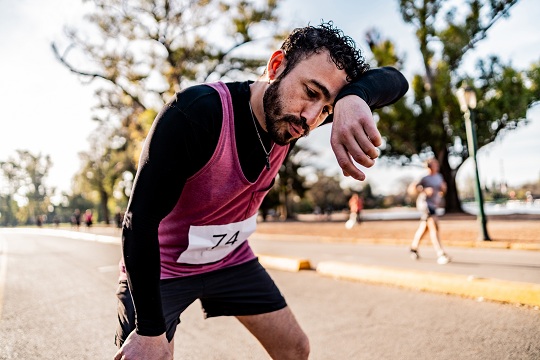
Whether you’re starting a new workout routine, pushing yourself during an intense exercise session or spending time outdoors in extreme heat, it’s important to recognize when muscle strain may be something more serious.
Rhabdomyolysis, commonly referred to as rhabdo, is a potentially life-threatening condition that occurs when damaged muscle tissue breaks down and releases substances into the bloodstream that can harm the kidneys.
According to Eric Handler, DO, FACEP, Chairman of Emergency Medicine at Cooperman Barnabas Medical Center, understanding the warning signs and seeking prompt medical attention can help prevent serious complications.
What Is Rhabdomyolysis?
Rhabdomyolysis occurs when muscle fibers break down rapidly, releasing proteins and other substances, including myoglobin, potassium, phosphate, creatine kinase, and urate into the bloodstream. In severe cases, these substances can damage the kidneys and lead to acute kidney injury.
Although rhabdomyolysis is often associated with extreme exercise, it can affect anyone and is a life-threatening condition.
What Causes Rhabdomyolysis?
You may be more at risk of developing rhabdomyolysis if you’re an endurance athlete, working in hot environments, in the military, or above the age of 65. Several factors can contribute to the development of rhabdomyolysis, including:
- Intense physical activity: Strenuous workouts, particularly when the body isn’t accustomed to the intensity.
- Traumatic injuries: Crush injuries, falls, burns or other incidents that cause significant muscle damage.
- Medical conditions: Certain infections, seizures and metabolic disorders can trigger muscle breakdown.
- Heat-related illness: Exercising or working in high temperatures, especially when combined with dehydration.
- Medications: Some medications can cause muscle breakdown.
Recognizing the Warning Signs
Symptoms of rhabdomyolysis can vary, and not everyone experiences the same warning signs.
Common symptoms include:
- Severe muscle pain, tenderness or cramping
- Muscle weakness or swelling
- Dark, tea- or cola-colored urine
- Unusual fatigue or difficulty completing everyday activities
- Decreased urine output
“It’s normal to experience some muscle soreness after a challenging workout, but severe pain, unusual weakness or dark-colored urine can be signs of something more serious. The key is knowing when your body is telling you something isn’t right. Recognizing these warning signs early can help prevent serious complications,” shares Dr. Handler.
Can Rhabdomyolysis Be Prevented?
While not every case is preventable, several precautions can help reduce the risk:
- Gradually increase workout intensity rather than making sudden changes.
- Stay properly hydrated, particularly during physical activity and hot weather.
- Take breaks and avoid overexertion in extreme heat.
- Allow adequate recovery time between strenuous workouts.
- Pay attention to unusual muscle pain, weakness or changes in urine color.
When Should You Seek Emergency Care?
If you experience severe muscle pain or weakness, unusual swelling, dark-colored urine or decreased urination following intense activity, heat exposure or an injury, seek immediate medical attention.
“Rhabdomyolysis can progress quickly, and without proper treatment, it can lead to serious kidney damage,” says Dr. Handler. “Listening to your body is essential. Knowing the difference between typical muscle soreness and signs of a potentially serious condition can help you recognize when it’s time to seek medical care.”
_
Learn about Emergency Medicine at RWJBarnabas Health.