
Key steps can help manage long-term conditions and improve lifelong wellness.
Many people think primary care physicians (PCPs) are mainly doctors they should see for acute problems such as injuries that need stitches or illnesses like the flu or pneumonia.
But your PCP is also the first line of defense against chronic conditions—diseases or disorders that tend to persist over time. Examples of chronic diseases include diabetes, arthritis, cancer, cardiovascular conditions such as high blood pressure and breathing-related problems such as asthma or COPD (chronic obstructive pulmonary disease).
With chronic conditions, the emphasis is generally less on finding a cure or resolving disorders and more about managing the disease process. You and your primary doctor work together to maximize your health and achieve goals such as improving wellness, preventing the problem from getting worse or reducing your reliance on medication.
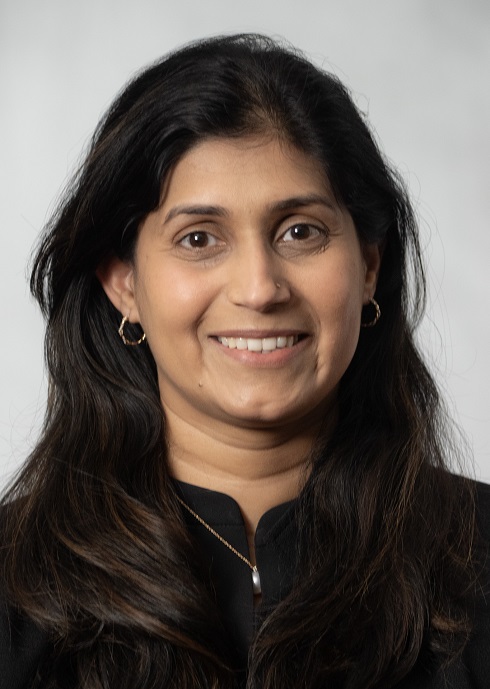
“When a patient comes to me, the first thing we need to do is determine if a complaint is due to an acute or chronic cause,” says Bismah Najeeb, MD, a primary care physician affiliated with Robert Wood Johnson University Hospital in New Brunswick and a member of RWJBarnabas Health Medical Group. “A chronic condition may require education, lifelong treatment and a certain amount of discipline from the patient.”
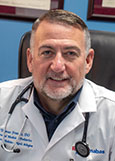
“Many chronic conditions are related to each other,” says Thomas Francis, DO, a primary care physician affiliated with Clara Maass Medical Center and a member of RWJBarnabas Health Medical Group. “Even some acute diseases, such as COVID-19, are linked to chronic conditions such as cardiovascular disease.”
The interconnected nature of chronic conditions makes a PCP—who takes a broad view of your overall health—an important source of guidance about disease management. Dr. Francis points to these measures as important steps in managing a range of chronic health issues.
See a PCP Regularly
Each appointment with your primary care doctor is an opportunity to learn more about your condition and finetune your care. “Education is a big part of what we do,” Dr. Francis says. “Seeing your doctor regularly promotes understanding of the disease and helps anticipate and prevent future complications—or recognize and respond to any complications that do occur.”
Keep Up with Tests
Tests proactively track a chronic condition, helping to guide management of the disease, especially the use of medication. If you seem healthy, screenings can flag potential problems in early stages when they’re easier to control. Your doctor can keep you up to date if new research prompts changes to guidelines.
Get Physical
Keeping physically active is important in just about any disease management program. Doctors generally recommend 150 minutes of moderate activity such as brisk walking each week—but that’s a minimum. “We often push patients to get more than that to optimize health,” Dr. Francis says.
Eat Disease-Fighting Foods
Consuming a healthy diet is a cornerstone of disease management in part because many types of fruits, vegetables, nuts and healthy oils help fight inflammation, which plays a role in a range of chronic conditions, including diabetes, heart disease, arthritis and COPD.
Control Weight
“Obesity is an inflammatory state that’s linked to many chronic diseases,” Dr. Francis says. In some cases, controlling weight through lifestyle measures can improve health enough for patients to reduce or even quit medications for conditions such as Type 2 diabetes.
“Lifestyle interventions that help control obesity and broadly protect health such as physical activity and a healthy diet have become central to what we do,” Dr. Najeeb says. “I’ve seen patients who embrace them go off medications for conditions such as high blood pressure and diabetes.”
Learn more about RWJBarnabas Health medical group primary care or to make an appointment, call 1-888-724-7123.
 View full issues of Healthy Together magazine by New Jersey region:
Northwest, serving the communities of Clara Maass Medical Center in Belleville, Cooperman Barnabas Medical Center in Livingston, Newark Beth Israel Medical Center in Newark, Robert Wood Johnson University Hospital in Rahway, and Trinitas Regional Medical Center in Elizabeth
Central, serving the communities of Robert Wood Johnson University Hospital in Hamilton, New Brunswick and Somerset