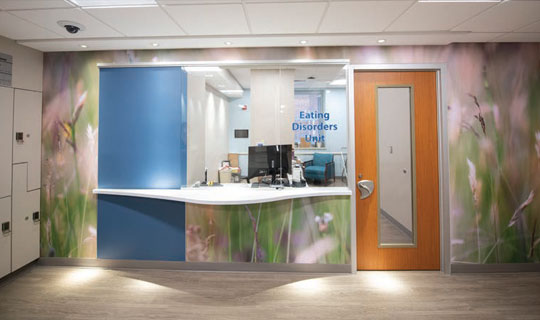
How to recognize and treat a common but often hidden eating disorder.
Binge eating disorder is the most common eating disorder in the U.S. But it’s not always recognized as a serious medical problem because patients don’t necessarily face immediate health risks from their disordered behavior. Yet binge eating can have serious long-term consequences if not addressed.
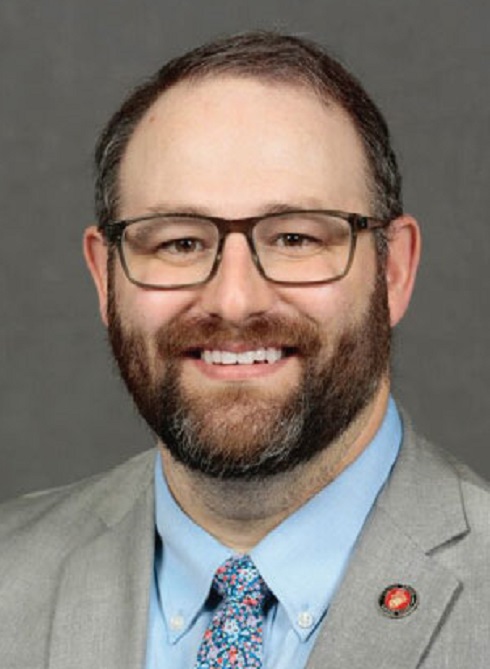
Matthew Johnson, DO, Medical Director of the Eating Disorders Program at Robert Wood Johnson University Hospital (RWJUH) Somerset and Clinical Assistant Professor at Rutgers Medical School, explores the condition and how treatment can help.
What is binge eating disorder?
Binge eating disorder occurs when people consume food in larger amounts than would normally be expected—even if they’re already full or not hungry. Often, they experience significant weight gain or already had elevated weight.
How is it different from eating disorders like bulimia and anorexia?
With binge eating disorder, there’s no compensatory behavior such as purging. And with bulimia and anorexia, there’s usually no weight gain.
How do you know if binge eating is a problem for you?
One sign is if you’re consistently eating more and faster than usual, even when you have no appetite or you’re no longer hungry. People with binge eating disorder often feel a loss of control over food intake. They sometimes eat alone and isolate themselves because of that, and they may feel embarrassed, disgusted, depressed or guilty after eating.
Why is binge eating dangerous?
Unlike bulimia and anorexia, which carry a more imminent risk and danger, the risks of binge eating are more long-term. Over time, people with binge eating disorder are at risk of serious health issues such as obesity, Type 2 diabetes, high blood pressure and various types of heart disease, each of which can lead to other problems.
How is binge eating disorder treated?
In general for eating disorders, the primary treatment is therapy that helps get to the root cause or causes, which may include trauma or difficulty with mood regulation, for example. We often take a health-at-every-size perspective while targeting underlying cause(s) and work toward changing behaviors and thought patterns that surround eating. With that said, it’s not uncommon for patients to see their weight decline naturally as the underlying issues are addressed and food intake patterns change. However, weight loss in particular isn’t the goal with treatment of the eating disorder itself. Concerns or risks that may otherwise surround an individual pertaining to their weight may be better addressed once the eating disorder is in remission.
How successful is binge eating disorder treatment?
It can be very successful—but only as successful as the effort an individual puts into it. It’s possible to experience complete remission. And the prognosis is very good.
What’s special about the RWJUH Somerset Eating Disorders Program?
The Eating Disorders Program is part of RWJBarnabas Health’s Behavioral Health Services together with Rutgers Health University Behavioral Health Care. We are one of only two inpatient hospitals for eating disorders in the state, and one of very few partial hospitalization and intensive outpatient programs to treat binge eating and other eating disorders.
We treat both adolescents and adults, and our dietitians, therapists, doctors and nurses are focused on treating eating disorders and restoring healthy eating behaviors. This may include helping patients in other ways such as addressing, for instance, mood dysregulation; medication regimens requiring a change or titration; overlapping addictions; and various other comorbid or exacerbated medical conditions.
For more information, visit the Eating Disorders Program at Robert Wood Johnson University Hospital Somerset, or request an appointment.
 View full issues of Healthy Together magazine by New Jersey region:
Northeast, serving the community of Jersey City Medical Center in Jersey City
Northwest, serving the communities of Clara Maass Medical Center in Belleville, Cooperman Barnabas Medical Center in Livingston, Newark Beth Israel Medical Center in Newark, Robert Wood Johnson University Hospital in Rahway, and Trinitas Regional Medical Center in Elizabeth
Central, serving the communities of Robert Wood Johnson University Hospital in Hamilton, New Brunswick and Somerset
South, serving the communities of Community Medical Center in Toms River, Monmouth Medical Center in Long Branch, and Monmouth Medical Center Southern Campus in Lakewood