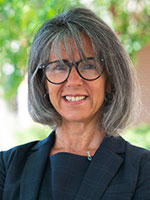
APN-BC, RNC-OB, CBCd
A Unified Commitment From Our Birthing Hospitals
On Maternal Health Awareness Day, the Obstetrics’ Chairs at RWJBarnabas Health’s nine birthing hospitals share life-saving messages about urgent maternal warning signs.
“At our health system, protecting mothers’ lives is a top priority. We follow evidence-based safety practices, train for emergencies, and listen to our patients. Every mother deserves safe, respectful, high-quality care—before, during, and after pregnancy.”
— Suzanne Spernal, DNP, APN-BC, RNC-OB, CBCd, Senior Vice President, Women’s Services

Heavy Bleeding Is an Emergency
Excessive bleeding is never normal after birth; seek help immediately.
“After delivery, some bleeding is expected—but soaking a pad in an hour, passing large clots, or feeling lightheaded is not normal. Heavy bleeding can become life-threatening very quickly. If this happens, call your OB provider or go to the emergency room immediately. Trust your body and act fast.”
— Robert Graebe, MD, Chair and Program Director, Obstetrics & Gynecology at Monmouth Medical Center

Headaches & Vision Changes Can Be Dangerous
Headache + vision changes = Emergency: Call 911.
“Severe headaches, blurry vision, or seeing spots—especially during pregnancy or after delivery—can signal dangerously high blood pressure. These symptoms should never be ignored. Early treatment can prevent serious complications like stroke or seizures. If you notice these signs, seek care right away.”
— Todd J. Rosen, MD, Chair, Department of Women’s Health, Obstetrics & Gynecology at Jersey City Medical Center

Shortness of Breath Is Not Just Anxiety
Breathing difficulties require urgent evaluation.
“Sudden shortness of breath, chest pain, or a racing heartbeat may be signs of a blood clot or heart problem. These symptoms are not just stress or anxiety—and they can happen during pregnancy or postpartum. If breathing feels hard or painful, call 911 or go to the emergency room.”
— Abu S. Alam, MD, Chair, Obstetrics & Gynecology at Trinitas Regional Medical Center
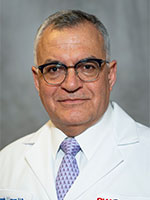
Fever After Birth Can Mean Infection
Fever after birth = Call your provider.
“A fever of 100.4 or higher after delivery may be a sign of infection. This can include uterine infections, wound infections, or breast infections. Prompt treatment matters. If you have fever, chills, or worsening pain, contact your care team immediately.”
— Gerardo Lopez, MD, Chair, Obstetrics & Gynecology at Community Medical Center
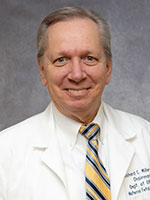
Sudden Swelling Can Signal Serious Illness
Sudden swelling? Don’t ignore it.
“Some swelling during pregnancy is expected—but sudden swelling of the face, hands, or around the eyes is not. When swelling comes with headaches, nausea, or vision changes, it can signal a serious condition. Please don’t wait—call your provider or seek care.”
— Richard C. Miller, MD, Chair, Obstetrics & Gynecology at Cooperman Barnabas Medical Center
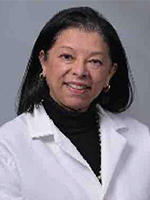
Emotional Symptoms Are Medical Symptoms
Mental health is maternal health.
“Feeling overwhelmed, anxious, hopeless, or disconnected from your baby is not a personal failure—it’s a medical condition. Postpartum depression and anxiety are common, temporary and treatable. If your mood is affecting your daily life, please reach out. Getting help is a sign of strength.”
— Archana Pradhan, MD, MPH, Professor and Interim Chair, Obstetrics & Gynecology at Robert Wood Johnson University Hospital
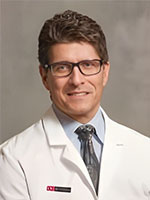
Care Continues After Delivery
Postpartum care saves lives.
“The weeks after birth—often called the fourth trimester—are one of the highest-risk times for mothers. Many serious complications happen after hospital discharge. Keep your postpartum appointments and call if symptoms worsen. We are here for you well beyond delivery day.”
— George Tweddel, MD, Chair, Obstetrics & Gynecology at Robert Wood Johnson University Hospital Somerset

Patients Know Their Bodies Best
If something feels wrong, speak up.
“If something doesn’t feel right, trust that feeling. You know your body better than anyone else. Never worry about overreacting or bothering your care team. Calling early can prevent emergencies. Your concerns matter.”
— Khalid Sawaged, DO, Chair, Obstetrics & Gynecology at Newark Beth Israel Medical Center
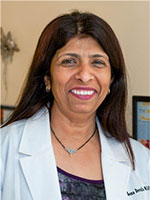
Feeling Dizzy or Faint May Be a Warning Sign
Ongoing or intermittent dizziness or lightheadness—call your provider.
“Feeling dizzy or faint is especially worrisome if it happens at or after 16 weeks of your pregnancy or in the first few weeks after you give birth and you also have headache, blurred vision, slurred speech, fast heartbeat, chest pain, or shortness of breath or vaginal bleeding. Dizziness and lightheadedness may be a warning sign of other problems, including preeclampsia.”
— Meena Devalla, MD, Director, Obstetrics & Gynecology at Clara Maass Medical Center
For more information, visit Maternal Health Awareness.