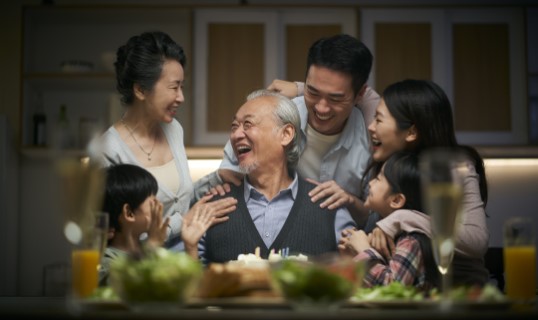
There are many components to a long, happy healthy life. Genetics, diet, and exercise spring to mind immediately. But one, often overlooked, factor is that of connectedness, or how connected you feel to other people. We all have various people in our lives: family, friends, neighbors, colleagues or others in our community. Our sense of belonging and knowing that others have our back and that we have theirs is a big determinant of not just our lifespan, but our quality of life.
Feeling connected can reduce our risk for certain chronic diseases, such as heart disease and dementia. Social connections can also improve our ability to manage stress, influence physical activity and improve sleep quality.
Friends help us celebrate the good times and lessen the blow of bad times. Exercise buddies keep us moving. Community activities keep our minds sharp and reduce isolation and loneliness.
If you are feeling disconnected and alone, seeking help is a good first step to becoming connected.
Employees of RWJBH One Source EAP client companies can call One Source EAP at (800) 300-0628, anytime of the day or night, your call will be answered by trained specialists.
Both the call and the services are strictly confidential
If your company would like to become one of our clients to gain access to RWJBH One Source EAP resources and network of licensed therapists, your HR manager may contact us at (848) 218-3337 for a quote.
Ideas for Making Social Connections
- Establish and nurture different types of connections – create a network of people who share your interests.
- Give and take – reach out to others for support when needed and find ways to be responsive to others as well.
- Strengthen the quality of social connections – be supportive and look for that quality in others.
- Address barriers – unplug from digital and plug in to personal.
- Seek help if feeling disconnected, lonely, or stressed – One Source EAP can help with free, confidential counseling sessions with one of our licensed Network Providers. Just call (800) 300-0628 24/7/365.
For more details, click here to read the CDC article, “Improving Social Connectedness.”