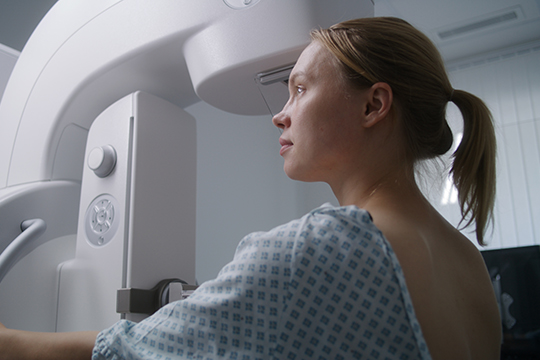
Cancer prevention starts with one simple but powerful decision: prioritizing your health. Staying up to date on routine doctor appointments, recommended screenings, and prevention practices can save your life. The earlier cancer is detected, the sooner treatment can begin—often before symptoms even appear.
Early Detection Saves Lives
Many cancers can be detected early, sometimes long before warning signs appear. According to the American Cancer Society, New Jersey saw 59,840 new cancer cases diagnosed in New Jersey in 2025 alone.
The purpose of these screenings is to detect cancer, ideally when it’s still localized in Stages 0 or 1 and hasn’t spread to the lymph nodes or other parts of the body.
There are clear guidelines on when to begin cancer screenings, but recommendations can vary based on age, family history, gender, and individual risk factors. For example, women are generally advised to begin mammograms at age 40 and colorectal cancer screenings at 45.
Age, however, is no longer the safety net it once was.
According to a new report from the American Cancer Society, adults under the age of 50 are increasingly being diagnosed with colorectal cancer. What was once considered a “cancer of aging”, seen most typically in people in their 60s and 70s, has changed course and is now being diagnosed more frequently in younger adults—and often at later stages, when treatment is more complex, and outcomes are poorer.
While screening guidelines have historically focused on older age groups, it is recommended that colorectal cancer screening begin at age 45 – even earlier for those at high risk. This new data reinforces why these screenings are so important, even when symptoms may not be present.
Don’t Ignore Warning Signs
It’s easy to dismiss early symptoms. Back pain can feel like “just getting older.” Chronic fatigue can be blamed on a busy schedule. But ignoring persistent or unusual changes in your body can delay diagnosis and treatment.
Cancer does not affect everyone equally. Certain cancers are more common—and more deadly—among specific racial, ethnic, and medically underserved populations.
For example, the American Cancer Society (ACS) Facts and Figures 2026 Report mentioned:
- African American and Black individuals have higher death rates for prostate, uterine, stomach cancers, and myeloma, and 40%–50% higher rates for colorectal, breast, cervical, and liver cancers.
- Asian American, Native Hawaiian, and Other Pacific Islander (AANHPI) individuals have 30% higher rates for stomach cancer and double for liver cancer.
- Hispanic individuals have approximately 40% higher incidence of cervical cancer and almost 2 times higher incidence of stomach and liver cancers.
If something feels off, trust your instincts. Seeing your doctor—even when you’re unsure—can make all the difference. Physical exams, bloodwork, and imaging tests help uncover what’s happening beneath the surface.
Prevention Starts with Better Lifestyle Habits
While screening is essential, cancer prevention can also begin long before you step into a doctor’s office. Many lifestyle habits can help reduce cancer risk, and small changes have a big impact over time. These include:
- Avoiding tobacco and limiting alcohol consumption
- Staying physically active
- Maintaining a healthy weight
- Eating more fruits, vegetables, and whole grains
- Protecting skin from the sun
- Keeping up with recommended vaccinations, including HPV
- Knowing your family history and discussing it with your doctor
Cancer prevention starts now. Don’t wait for symptoms. Don’t wait for a “better time.” To schedule your next cancer prevention screening, please reach out to your healthcare provider. Resources are also available through RWJBarnabas Health and Rutgers Cancer Institute, the state’s only National Cancer Institute-designated Comprehensive Cancer Center. Schedule a cancer screening.