November is Diabetes Awareness Month, and RWJBarnabas Health, in tandem with its Children’s Specialized Hospital and team of pediatric endocrinologists, is helping children with Type 1 or 2 diabetes and their families understand, manage, and live with this chronic condition that affects 352,000 children in the U.S.
Empowering Kids Through Education and Technology
Pediatric diabetes refers to diabetes diagnosed in children and teens, typically between 4 to 19 years old. Type 1 and Type 2 are the most common types of diabetes, both of which affect how the body uses blood sugar or glucose.
Type 1 diabetes is an autoimmune condition in which the body’s immune system attacks the insulin-producing cells in the pancreas. When these cells don’t produce insulin, glucose builds up in the bloodstream instead of being used for energy. These symptoms usually appear suddenly in childhood or adolescence and require daily insulin therapy. Type 2 diabetes is when the body still makes insulin but doesn’t use it effectively. It can be managed through lifestyle changes, such as a balanced diet and regular exercise, as well as medication. Increasing rates of childhood obesity are also a contributing factor.
Type 1 diabetes can be diagnosed at any age but is most often diagnosed either between the ages of 5 and 6 or between 11 and 13. Type 2 diabetes diagnoses are more common in older children and adolescents, particularly after puberty, between the ages of 15 and 19.
If a child is diagnosed with diabetes, in most cases, they will need ongoing support from a team of medical professionals—including endocrinologists, nurses, dietitians, and psychologists—to help them monitor blood sugar, maintain healthy habits, and learn lifelong self-management skills that lead to an active, healthy life.
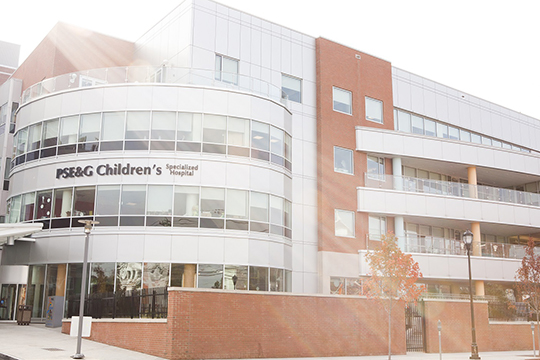
Taking a Comprehensive Approach to Pediatric Diabetes Care
Through its Chronic Illness Management Program, RWJBarnabas Health offers a robust and comprehensive pediatric diabetes program that provides the education, technology, and emotional support children and their families need.
Children’s Specialized Hospital's approach is rooted in combining cutting-edge technology with personalized education, so children and their caregivers feel supported and prepared to manage diabetes.
CSH offers a four-week inpatient pediatric diabetes management program that combines daily medical management with hands-on activities, physical therapy, and nutritional guidance, creating a holistic environment that prepares children and their families for long-term success after discharge.
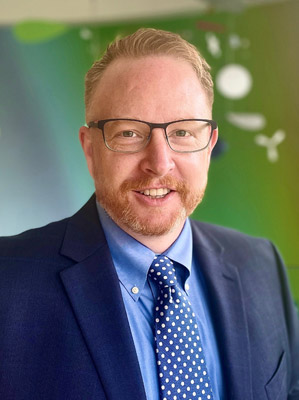 “Children learn not just what to do, but why they’re doing it,” said Colin O’Reilly, DO, FAAP, FACOP, FCCMP,Vice President and Chief Medical Officer at Children’s Specialized Hospital. “Having them understand the reasoning behind each treatment—whether it’s adjusting insulin doses, planning meals, or recognizing symptoms—helps them more confidently manage this chronic condition.”
The ultimate goal is for children to independently manage their condition and gain a strong foundation for lifelong wellness.
Empowering Kids to Manage Their Diabetes
For children managing diabetes, it’s important that education and technology work in tandem to produce optimal outcomes. For example, continuous glucose monitors and insulin pumps have revolutionized diabetes management, giving children and their families more real-time control without the need for constant blood sugar checks via fingertip pricks with a lancing device.
“Our young patients are tech-savvy,” Dr. O’Reilly said. “They adapt quickly to technology that makes managing their diabetes easier. What’s even more remarkable is these tools empower them and make them feel less defined by their diagnosis.”
RWJBarnabas Health reminds families that awareness, education, and empowerment are key to helping children successfully take control of their diabetes.
“Our mission is to help every child not only manage their diabetes but understand it,” said Dr. O’Reilly. “When we give children the tools to take charge of their health, we’re setting them up for lifelong success.”