I still have youth in me, and I just want to live my life
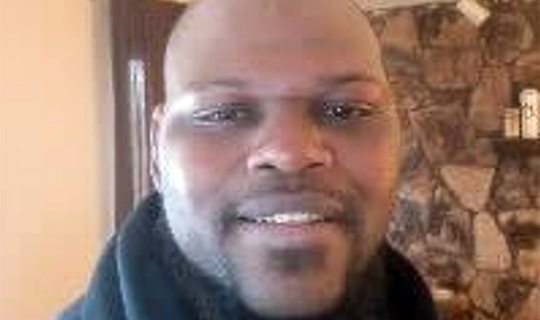
Battling Hereditary Cardiomyopathy, Robert Wood Johnson University Hospital’s Cardiogenic Shock Team Intervention Saves Young Man’s Life
John Montgomery loved working on cars, but this early 30-year-old, who appeared healthy on the outside, was battling hereditary cardiomyopathy, which enlarged his heart.
“I was healthy as an ox,” he says. “I just had a bad heart.”
Over the years, despite heart failure medications, John developed severe pulmonary hypertension. When he was admitted to Robert Wood Johnson University Hospital (RWJUH) in New Brunswick, part of the RWJBarnabas Health Heart and Vascular network of care, earlier this year with walking pneumonia, doctors quickly realized the situation was far more serious: John was in cardiogenic shock.
His condition worsened rapidly over the course of the two months he spent in the hospital. He developed ventricular tachycardia, a dangerous heart rhythm, and the left side of his heart, which handles pumping blood throughout the body, began to fail. That was when RWJUH’s Cardiogenic Shock Team stepped in to place John on VA ECMO (Ventricular Assist Extracorporeal Membrane Oxygenation), followed by an Impella heart pump, which temporarily took over the work of his failing heart.
Under the leadership of Chonyang L. Albert, MD, FACC, FHFSA, RWJUH launched its multidisciplinary Cardiogenic Shock program in September 2024, bringing together specialists from advanced heart failure, interventional cardiology, cardiothoracic surgery, critical care, and advanced practice providers to deliver 24/7 care for the sickest patients.
“What sets our program apart is how seamlessly every expert comes together- cardiologists, surgeons, intensivists, heart failure specialists, advanced practice providers and mobile health services, all focused on the same patient at the same time,” explains Dr. Albert, advanced heart failure and transplant cardiologist who oversaw John’s care. “In a crisis like cardiogenic shock, speed and teamwork can mean the difference between life and death.”
When it became clear his heart would not recover on its own, John received a Left Ventricular Assist Device (LVAD) to mechanically circulate blood from his heart throughout the body.
“At first, I didn’t want it,” John admits. “But it’s a blessing. It keeps me alive.”
John spent two months in the hospital before going home. Today, he’s adapting to life with the LVAD, walking daily, and regaining strength.
“The LVAD isn’t just a bridge to transplant—it’s a bridge back to living,” says Maya Guglin, MD, PhD, section chief of Heart Failure at RWJUH and Rutgers Robert Wood Johnson Medical School (RWJMS). Drs. Albert and Guglin are faculty physicians at RWJMS, reflecting the program’s strong academic and clinical collaboration.
John’s next goal is to qualify for a heart transplant, but for now, he’s focused on appreciating the second chance he’s been given. “I still have youth in me, and I just want to live my life,” he says.
RWJUH is part of the RWJBarnabas Health Heart and Vascular network of care. For more information on cardiogenic shock and how it is treated, visit https://www.rwjbh.org/treatment-care/heart-and-vascular-care/diseases-conditions/cardiogenic-shock/