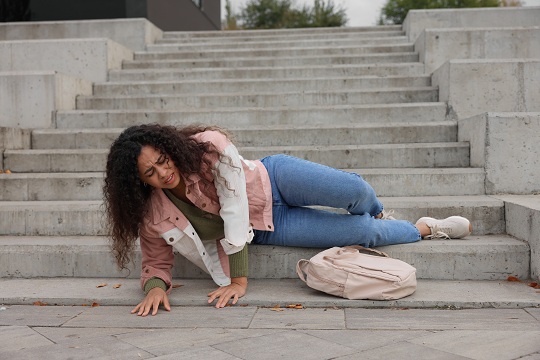
A fall can happen in an instant. A wet floor, an uneven sidewalk, a missed step or a momentary loss of balance can send someone to the ground before there is much time to react. And while falls become more common as we age, they are not just a concern for older adults.
“Falls are one of the most common ways we see patients injure the wrist, shoulder and upper extremity,” says Amish A. Naik, MD, PhD, orthopedic surgeon at Cooperman Barnabas Medical Center and member of RWJBarnabas Medical Group. “You may not be able to prevent every fall, but there are things you can do to reduce your risk of falling, and potentially reduce the severity of an injury if a fall does occur.”
Why Falls Cause So Many Injuries
When people feel themselves falling, the natural reaction is often to stiffen the body or reach toward the ground with an outstretched hand.
That instinct can protect the face and head, but it also places tremendous force through the hand, wrist, elbow and shoulder. This is why falls commonly result in injuries such as:
- Wrist and forearm fractures
- Shoulder fractures or dislocations
- Hip fractures
- Sprains and ligament injuries
- Head injuries
- Cuts and bruises
The amount of injury depends on many factors, including the direction of the fall, the surface, a person’s bone strength and how much force is involved.
If You Are Falling, What Should You Do?
There is no perfect way to fall, and most falls happen too quickly to think through a series of steps. However, a few general principles may help.
- Try not to stiffen your entire body. A rigid arm or locked elbow can transfer the force of the fall directly into the wrist, elbow or shoulder.
- Avoid reaching backward with a straight arm. Falling onto an extended arm is a common mechanism for wrist, elbow and shoulder injuries.
- Bend your knees and elbows if you have time to react. Slightly flexed joints can help your body absorb and distribute force rather than concentrating it in one location.
- Protect your head. If you are falling backward, tucking your chin toward your chest may help prevent the back of your head from striking the ground directly. If you can do so safely, use your arms to help protect your head rather than placing one rigid arm straight out to stop the fall.
- Move with the fall rather than fighting it. Athletes are often taught to roll or distribute the impact over a larger area of the body. That technique takes practice, however, and people should not attempt complicated movements during an unexpected fall.
Most importantly, these techniques are not a substitute for fall prevention.
The Best Strategy: Prevent the Fall
The safest fall is the one that never happens.
Maintaining strength and balance becomes particularly important as we get older. Regular exercise can improve:
- Leg and core strength
- Balance
- Coordination
- Flexibility
- Confidence while walking and changing direction
Walking, resistance training, tai chi and appropriately supervised balance exercises can all be helpful.
Your surroundings matter, too. Simple steps at home can significantly reduce fall hazards:
- Remove loose rugs and clutter from walkways.
- Make sure stairs and hallways are well lit.
- Install handrails on stairs and grab bars where appropriate.
- Wear shoes with good traction.
- Be especially cautious on wet, icy or uneven surfaces.
- Have vision checked regularly.
- Use a cane, walker or other assistive device if one has been recommended.
For older adults, it can also be worthwhile to review medications with a physician, since some medications can contribute to dizziness, drowsiness or changes in blood pressure that increase fall risk.
When Should You Seek Medical Attention After a Fall?
Not every fall requires an emergency room visit. But some symptoms should not be ignored.
Seek prompt medical attention if you experience:
- Severe or worsening pain
- Significant swelling or deformity
- An inability to use an arm or leg normally
- Difficulty standing or walking
- Numbness or weakness
- A head injury, especially with loss of consciousness, vomiting, confusion or persistent headache
- Neck or back pain after a significant fall
People taking blood-thinning medications should also take head injuries particularly seriously, even when they initially feel well.
If pain, swelling or loss of function persists after a fall, it is worth having the injury evaluated,” Dr. Naik says. “Patients sometimes assume that because they can still move an arm or walk on a leg, nothing is broken. That is not always the case.”
Falls are unpredictable, but your preparation does not have to be. Maintaining strength, balance and mobility, and making your environment safer, can lower your risk of falling and help you remain active and independent. If an injury does occur, persistent pain or loss of function deserves attention rather than simply waiting for it to go away.
Let's be healthy together. Request an appointment for orthopedic care today.