Stroke care is not a single moment, but it is a coordinated effort between emergency medical services (EMS) and hospital teams working together in real time. From the first call to advanced treatment, every step is designed to move quickly and efficiently.
Understanding how this system works, and what to look for, can make all the difference. Steven Shapiro, MD, Medical Director for Stroke Services at Cooperman Barnabas Medical Center (CBMC) and member of the RWJBarnabas Health Medical Group, shares important things to know.
- Stroke Care Starts the Moment You Call 911
EMS teams are trained to quickly recognize the early signs of stroke quickly and accurately. The moment a call is placed, a chain of care begins. First responders assess symptoms, monitor vital signs, and alert the hospital in route, so that the care team is ready before the patient arrives.
- EMS Helps Get You to the Right Place Fast
Calling 911 doesn’t just get you help quickly, but it ensures you’re taken to the right hospital. EMS teams coordinate with stroke centers to bring patients to facilities that can provide the highest level of care for their specific condition.
- Not All Hospitals Offer the Same Level of Stroke Care
CBMC’s stroke center, certified by Joint Commission as an Advanced Comprehensive Stroke Center, is equipped to treat the most complex stroke cases. This means access to advanced imaging, specialized stroke teams, and around-the-clock neurological care. Comprehensive Stroke Centers can perform highly specialized procedures that may not be available elsewhere.
- Time is Brain
When it comes to stroke, every second counts. During a stroke, millions of brain cells can be affected every minute. That’s why rapid diagnosis and treatment are critical. The faster someone receives care, the greater the chance of reducing long-term damage and improving recovery outcomes.
- Know the Signs
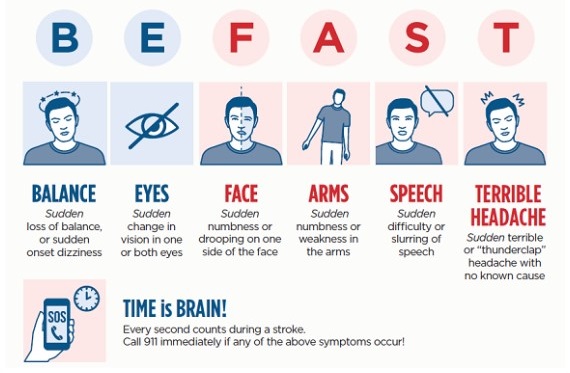
Recognizing stroke symptoms early can save valuable time, do not wait to see if symptoms go away. Remember the acronym B.E.F.A.S.T:
- Balance. Sudden loss of balance or sudden onset dizziness.
- Eyes. Sudden change in vision in one or both eyes.
- Face. Sudden numbness or drooping on one side of the face.
- Arms. Sudden numbness or weakness in the arms.
- Speech. Sudden difficulty or slurring of speech.
- Terrible Headache. Sudden terrible or “thunderclap” headache with no know cause.
At RWJBarnabas Health, we understand that every second counts when treating a stroke. That’s why our expert teams of stroke specialists are ready around the clock to deliver rapid, advanced care for complex stroke cases. As New Jersey's largest academic health care system, we ensure quick access to life-saving stroke treatments close to home. To learn more, click here.