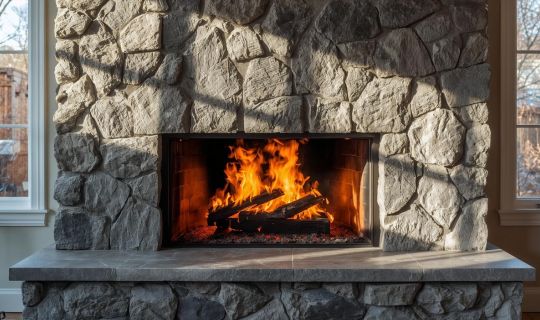
While the following options can provide comfort during cold conditions, it is important to use them safely. The Burn Center at Cooperman Barnabas Medical Center recommends taking a few simple precautions to help protect your home and loved ones.
Furnace Safety
- Make sure your furnace has been inspected and serviced by a qualified professional during the last 12 months. A furnace should be serviced at least once a year.
Fireplace Safety
- Fireplace chimneys and vents should be cleaned and inspected by a qualified professional. They should also be checked for creosote built-up. This service needs to be done at least once a year.
- Wood for fireplaces or wood stoves should be dry, seasoned wood.
- Fireplace screens need to be metal or heat-tempered glass, in good condition and secure in its position in front of the fireplace.
- It is important to have a covered metal container ready to use to dispose cooled ashes. The ash container should be kept at least 10 feet from the home and any nearby buildings.
- Make sure children know to stay at least three feet away from the fireplace, wood/pellet stove, oil stove or other space heaters
Electric Portable Space Heater Safety
- Purchase a heater with the seal of a qualified testing laboratory and choose a heater with a thermostat and overheat protection.
- Make sure your heater has an auto shut-off to turn the heater off if it tips over
- Portable space heaters need to be plugged directly into an outlet (not an extension cord), placed on a solid, flat surface and at least three feet from anything that can burn; like bedding, paper, walls, and even people.
- Place notes throughout your home to remind you to turn off portable heaters when you leave a room or go to bed.
Check Smoke and Carbon Monoxide Alarms
- Test smoke alarms and make sure they are working. You need smoke alarms on every level of the home, inside each sleeping room and outside each separate sleeping area. For the best protection, the smoke alarms should be interconnected so when one sounds, they all sound.
- Test carbon monoxide alarms and make sure they are working. Carbon monoxide alarms should be located outside each sleeping area and on every level of the home.
- Many household items including gas and oil burning furnaces, gas hot water heaters, portable generators, and charcoal grills produce this poisonous gas. The same is true with vehicles, snow blowers, or any gasoline powered engine left idling in a garage especially one attached to a home or business.
__
About The Burn Center at Cooperman Barnabas Medical Center
The Burn Center at Cooperman Barnabas Medical Center is the only state-certified burn treatment facility in New Jersey, and one of the largest in North America. With 12 intensive care beds and an 18-bed step-down Unit for less critically injured patients, The Burn Center provides expert care for patients of all ages. For more information about The Burn Center, click here or call (973) 322-5920.