By Damaris Maisie, Physical Therapist Assistant, RWJBarnabas Health Ambulatory Care Center
Multiple sclerosis (MS) fatigue often occurs on a daily basis, even after a restful night of sleep. As the day progresses, it worsens and can interfere with daily responsibilities.
Causes of Fatigue
The primary cause of MS fatigue is damage to the nervous system from MS. This is due to increased energy to transmit the same signals without myelin insulation, interrupted circuitry, inflammatory cytokines, and thermoregulation.
Secondary fatigue factors include sleep disturbances, muscle spasms, bladder problems, and pain. While other fatigue cofactors include weather, medication, sleep problems, stress, depression and anxiety, over-exertion, and poor nutrition or dehydration.
Symptoms of Fatigue
Some symptoms of fatigue are described as the following, brain fog, difficulty moving, exhausted, overwhelmed, weak or hitting a wall.
Energy Conservation Strategies
Use the 5 P’s of energy conservation to help preserve your energy throughout the day.
- Planning. Plan out your day
- Prioritizing. Prioritize tasks that are more important and will require more energy.
- Pacing. Pace yourself when performing these tasks so you do not exhaust your energy quickly.
- Positioning. Position things near you so they are reachable and would not require large use of your energy reserve.
- Permission. Give yourself permission to take it easy, seek help, or use some form of assistance such as a cane or walker to enable energy conservation without feeling guilty or defeated.
Energy Budgeting
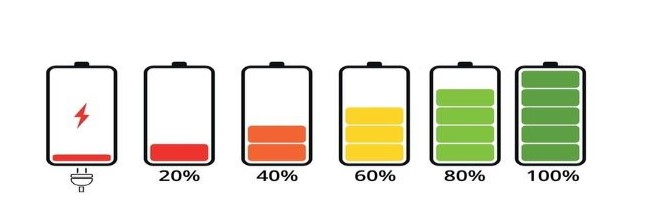
Let’s say your day starts with 100% in your bank and you have to go grocery shopping, which will use 20%. Then, to prepare dinner later, you use another 25%. Now, you must budget the remaining 50% throughout the day to avoid exhausting the whole 100%. Keeping this tip in mind can help you learn how to spend and save your energy wisely.
Uhtoff’s Syndrome is the worsening of neurological symptoms when people are overheated due to weather, exercise, fever, saunas, and hot tubs.
Cooling Strategies
Adjust the temperature in your environment, avoid direct sunlight, take lukewarm showers or baths, layer clothing, start with pre-cooling, drink plenty of fluids, add rest breaks during exercise and daily activity, avoid outdoors at peak temperature hours, and have cooling products on hand. The MSAA offers a free cooling clothing program, with an application and letter from a medical professional.
Mobility Devices
Mobility devices can improve the ease and quality of walking which ultimately conserves energy. Some devices include walking pole(s), cane, rolling walker, rollator, manual wheelchair, power scooter or wheelchair. In addition, there are bracing options to help lift your foot, ankle, knee, or hip. Some options include AFO, Triple Flex, or the Hip Flexion Assist Device.
Home Assessments/Modifications
Modifications can reduce energy expenditure and improve safety. This can include grab bars, shower chair or tub bench, toilet safety frame, raised toilet seat, bed rails, railings, ramps, or stair lifts.
Adaptive Equipment for Self- Care Tasks
Some tools to help with dining include adapted plates/bowls, adapted cups/mugs, adapted utensils, and dycem non-slip material. For help with lower body dressing, tools include, sock aides, dressing stick, reachers, or a foot funnel. For faster management, you can try zipper pulls, button hooks, elastic shoelaces, or adaptive clothing.
__
The experienced and compassionate staff at Cooperman Barnabas Medical Center Rehabilitation centers, with locations in West Orange and Livingston, offers adults and children the specialized care they need to resume an active life after surgery, injury or illness. Staff is committed to providing patients with the most advanced services in a safe, caring and soothing environment. For high-risk patients who are unable to visit in person, telehealth is an option. Patients do not need a prescription for physical therapy services.
For more information, or to schedule an appointment, call 973-322-7500.
Damaris Ababio, PTA, MSCS, is a Physical Therapist Assistant at the RWJBarnabas Health Ambulatory Care Center. She treats patients with neurological and orthopedic conditions as well as balance and gait deficits. Damaris completed her education at Essex County Community College in May 2011 and has been working at the ACC since October 2011. Damaris is currently a Multiple Sclerosis Certified Specialist (2018) and an LSVT BIG certified therapist (2020). She also serves as a member of the International Organization of Multiple Sclerosis Rehabilitation Professionals and the American Physical Therapy Association. When she’s not working, Damaris enjoys spending time with her family, participating in philanthropic work or carrying out DIY projects.