 What Are the Facts About Robotic Surgery?
Through the combination of surgical expertise and robotic-assisted surgery, available at Robert Wood Johnson University Hospital Hamilton (RWJUH Hamilton), this advanced surgical system is designed to help your specialist perform the most precise and least invasive procedure possible. Providing surgeons with enhanced capabilities, including high-definition 3D vision and a magnified view, robotic-assisted surgery enables the surgeon to see tissues and blood vessels at a level of detail far beyond what is possible with open surgery or laparoscopic surgery.
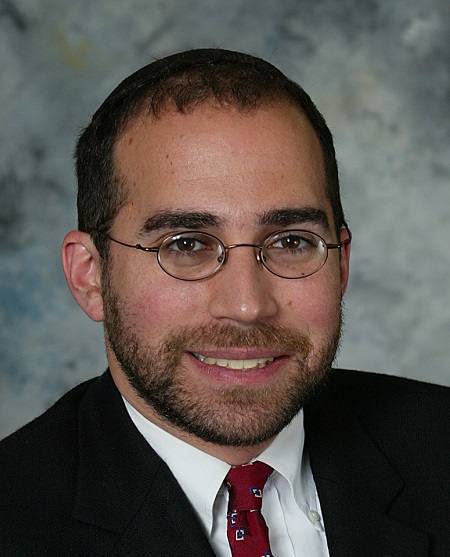
“Robotic-assisted surgery is an advanced form of minimally invasive surgery that allows surgeons to perform complex procedures with greater precision and control. Despite the name, the robot does not perform the surgery on its own,” says Dr. Eisengart, a general surgeon and colorectal surgeon with over 30 years of experience, specializing in colonoscopies, colon removal, and fluoroscopy. “Every movement is directed by a highly trained surgeon.”
Is the robot making decisions during surgery?
No. The surgeon controls the system which translates his or her hand movements into smaller, more precise movements of tiny instruments inside your body. Though it is often called a robot, the system cannot act on its own. Instead, the surgery is performed entirely by your doctor. The system's tiny instruments have an even greater range of motion than the human hand.
What are the benefits of robotic-assisted surgery? *
- Smaller surgical area incisions
- Less pain after surgery
- Reduced blood loss
- Lower risk of infection
- Minimal scarring
- Shorter hospital stays
- Faster recovery and return to normal activities
*Every patient and procedure are different, so individual results may vary.
What types of procedures are being performed at RWJUH Hamilton using this technology?
Robotic-assisted surgery is used for a variety of procedures across several specialties, including general surgery, gynecology, urology, colorectal surgery and thoracic surgery. Common procedures may include hernia repairs, gallbladder removal, hysterectomies, prostate surgery and certain colon surgeries.
What are some questions to ask your doctor to determine if robotic-assisted surgery is right for you?
- Am a candidate?
- If yes, what are the benefits and risks for my condition?
- How does robotic surgery compare with traditional or laparoscopic surgery?
- What can I expect during recovery?
- How much experience does my surgical team have with this procedure?
What’s the biggest takeaway for patients considering robotic surgery?
Robotic-assisted surgery is just another way surgeons at RWJUH Hamilton can provide safe, effective, patient-centered care. The technology doesn’t replace the expertise of the surgeon. It enhances it be providing greater precision and flexibility. If you’re facing surgery, talk with your doctor about all your treatment options, including whether robotic-assisted surgery may be right for you.
What can a patient expect when undergoing this type of surgery at RWJUH Hamilton?
At check-in, your surgeon and other members of your care team will review your procedure with you and answer any questions you might have.
When it’s time for surgery, you will be brought into the operating room (OR) to join your surgeon and the care team. The system will be in the OR before your surgery begins. You will receive medicine to help ensure that you do not feel pain.
During the procedure, your surgeon will remain in the OR and control the system, while viewing the surgical field with the da Vinci system’s camera. Your surgeon will be able to see the surgical field in 3DHD and magnify it to 10 times its normal size to see details more clearly than with the naked eye. Your surgeon will be using long, thin instruments that move like a human hand but with a greater range of motion. The system’s built-in tremor filtration technology helps the surgeon move each instrument with smooth precision.
When surgery is complete, your surgeon will close the small incisions with a few tiny stitches, and the care team will move you from the OR to a recovery room where you will stay until you wake up.
A team of surgeons at RWJUH Hamilton have been utilizing this technology for many years and are highly skilled and expertly trained right alongside our surgical OR team.
Dr. Eisengart is a member of RWJBarnabas Health Medical Group, and Medical Staff Leadership at Robert Wood Johnson University Hospital Hamilton (RWJUH Hamilton), an RWJBarnabas Health facility.
To learn more about Dr. Eisengart or discover the right provider for your care, visit rwjbh.org/providers