By Suja Jose, PT, DPT, Physical Therapist at RWJBarnabas Health Ambulatory Care Center
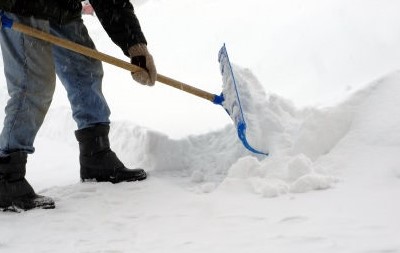
As we approach another winter, we are faced with reality of clearing icy driveways and walkways. Even though fresh snow can make everything look magical, for many people, it also means an unavoidable chore: shoveling. While clearing driveways and sidewalks may seem like simple exercise, it can actually put serious strain on your heart, especially if you’re not used to vigorous physical activity.
Why is Snow Shoveling Hard on the Heart?
Snow shoveling is often more intense than people realize.
It combines:
- Sudden, strenuous upper-body exertion can sharply increase heart rate and blood pressure.
- Cold weather constricts blood vessels and reduces oxygen flow to the heart.
- Isometric strain (holding your breath and tightening muscles while lifting), adds further stress.
All of these can trigger heart attacks, especially in people with underlying cardiovascular disease or risk factors.
Who Is Most at Risk?
- Over 45 (men) or 55 (women)
- History of Heart Disease
- High Blood Pressure
- Overweight or Physically Inactive
- Smoke
- High Cholesterol
- Diabetes
- Not Accustomed to Regular Exercise
Even if you feel healthy, these conditions can make your heart more vulnerable due to sudden exertion in cold temperatures.
Warning Signs to Watch For
While shoveling, stop immediately and seek medical attention if you experience:
- Chest pain, pressure, or discomfort
- Shortness of breath
- Lightheadedness or dizziness
- Nausea, cold sweats, or pain radiating to your arm, neck, or jaw
Do not try to push through symptoms, as they could indicate a heart attack.
Tips for Safe Snow Shoveling
If you’re cleared for physical activity by your doctor, here are some ways to make shoveling safer.
1. Warm Up First
Take 5 to 10 minutes to stretch, walk in place, or swing your arms before heading outside. A gentle warm-up prepares your muscles and heart for exertion.
2. Dress in Layers
Wear breathable, layered clothing, to stay warm without overheating. Keep your head, hands, and feet protected from frostbite.
3. Use Proper Technique
- Push snow rather than lifting when possible.
- When lifting, bend at the knees, not the back, and keep your back straight.
- Avoid twisting your torso.
4. Take It Slow
Shovel small amounts at a time and take frequent breaks, every 10 to 15 minutes. Go back inside to warm up and hydrate.
5. Avoid Shoveling Right After Eating or Smoking
Both can increase heart strain and reduce oxygen delivery.
6. Know When to Call for Help
If you’re at high risk or have heart disease, consider hiring someone for snow removal or using a snow blower instead of a shovel.
Overall!
Snow shoveling can be an effective workout, but for many, it’s also a potential heart hazard. The combination of cold temperatures, heavy lifting, and sudden exertion can overwork your heart if you’re not careful.
This winter, protect yourself by taking it slow, listening to your body, and knowing your limits. If in doubt, talk to your healthcare provider before tackling the next snowfall.
__
The experienced and compassionate staff at Cooperman Barnabas Medical Center Rehabilitation Centers, with locations in West Orange and Livingston, offers adults and children the specialized care they need to resume an active life after surgery, injury or illness. Staff is committed to providing patients with the most advanced services in a safe, caring and soothing environment. For high-risk patients who are unable to visit in person, telehealth is an option. Patients do not need a prescription for physical therapy services.
For more information, or to schedule an appointment, call 973-322-7500.
Suja Jose, MS, PT, DPT, is a physical therapist at the RWJBarnabas Health Ambulatory Care Center. Suja has worked for more than 25 years outpatient rehabilitation. She specializes in orthopedic, post-surgical and general musculoskeletal physical therapy helping patients restore movement, reduce pain, and regain confidence in their daily activities. With a strong commitment to patient-centered treatment Suja combines clinical expertise with compassion, creating individualized programs that promote lasting recovery and improved quality of life. She holds certification for vestibular rehabilitation and. maintains a strong commitment to continuing education and interdisciplinary collaboration to ensure the highest standards of clinical excellence.