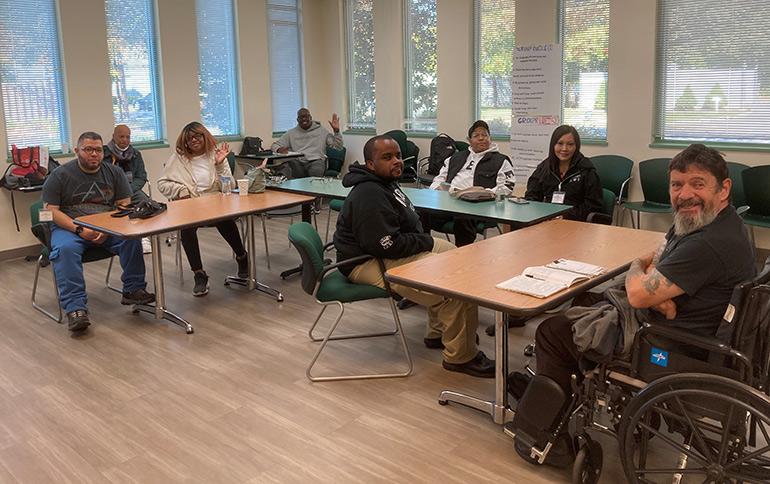
Understanding Brain Injury
 An acquired brain injury (ABI) is an injury to the brain that occurs after
birth. It includes traumatic brain injuries (TBI), caused by an external
force such as a fall, collision, or motor vehicle crash, and non-traumatic
brain injuries, caused by internal factors such as stroke, infection,
or a brain tumor. Opportunity Project serves adults living with both traumatic
and non-traumatic acquired brain injuries.
Brain injury can affect people in different ways depending on the cause, location, and severity of the injury, as well as individual factors. Some effects are immediately apparent, while others may be less visible to others.
How brain injury can affect daily life
Individuals may experience changes in one or more of the following areas:
Thinking & memory
Attention, memory, processing speed, planning, judgment, and problem-solving.
Physical functioning
Balance, coordination, movement, vision, and energy levels.
Communication
Speaking, understanding language, and navigating conversations.
Emotional well-being
Mood, emotional regulation, confidence, and self-awareness.
Relationships & routines
Social connections, employment, recreation, and everyday activities.
Individual experiences
Every person has different strengths, needs, goals, and pathways forward.
Life After Rehabilitation: Continuing the Journey
Following a brain injury, individuals often transition from intensive inpatient rehabilitation to their homes and communities. While rehabilitation provides an important foundation for recovery, the journey toward independence, meaningful participation, and community reintegration often continues long after discharge.
Individuals living with brain injury may experience changes in cognition, memory, physical functioning, emotional regulation, and social participation. These changes can affect their ability to return to familiar routines, relationships, employment, and other meaningful activities. However, with appropriate support, opportunities for engagement, and individualized strategies, individuals can continue to develop skills, build confidence, and achieve personal goals.
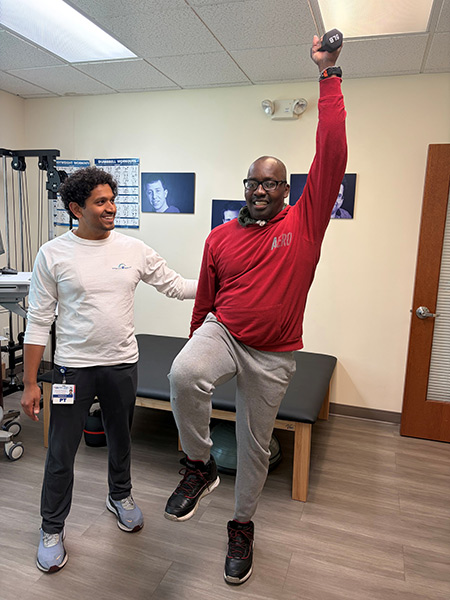
Bridging Rehabilitation and Everyday Life
Community-based programs play an essential role in bridging the gap between medical rehabilitation and everyday life. Through opportunities for social connection, skill development, wellness, and meaningful participation, individuals can strengthen their independence and enhance their quality of life.
Build independence
Apply practical, cognitive, and social strategies through meaningful everyday
activities.
Strengthen connections
Develop relationships, share experiences, and foster a sense of belonging.
Pursue meaningful goals
Explore interests and participate in vocational, recreational, wellness,
and community activities.
How Opportunity Project Supports Life Beyond Rehabilitation
At Opportunity Project, we recognize that recovery and adaptation are ongoing processes. Our programs are designed to empower individuals living with brain injury to build upon their strengths, pursue their goals, develop meaningful relationships, and participate actively in their communities.
Our member-centered approach emphasizes choice, individual strengths, and opportunities to contribute. Members participate in work units, health and wellness activities, social programs, and community engagement.